Properties: Bitter, salty, warm (some sources say Cold).
Meridans Entered:
Primary: Heart, Lung, Spleen
Traditional Actions/Indications:
- Breaks up stagnation, disperses swelling, expels pathogens and resolves Toxicity
Hot and cold Sudden Turmoil (霍亂 Huo Luan) with fever, abdominal swelling and pain, vomiting and diarrhoea
Black jaundice during labour due to Liver and Kidney deficiency with Blood Stasis and internal obstruction
Discharge from sexually transmitted diseases
Obstructed urination from Blood, Heat, Qi, and stones
Constipation, red and white dysentery, intestinal Wind, turbid Toxicity
Swollen, red and painful eyes, headache, hypertension
Swollen, obstructed sore throat, toothache
Boils and carbuncles, scrofula
- Frees the flow of Heart Qi
Placed under the tongue for acute heart pains with cold hands and feet (saliva will convert to nitrite)
- Aids longevity
Mentioned in the Shen Nong Ben Cao Jing as part of the superior class of minerals which can, with protracted taking, make the body light. This may suggest it was part of supplementing the diet when engaging in life cultivation practices (Yangsheng 養生).
Suggested Daily Dosage: 1.5 to 3g internally as pills or powder, or grind into powder and blow into the throat, or insert a pellet the size of a millet grain into the inner canthus of the eye overnight and wash out the next morning, or apply to wounds with water or saliva.
Cautions: Traditionally avoid use during pregnancy or in deficiency conditions. Do not combine with bitter, cooling herbs such as Ku Shen, Xing Ren, Dan Zhu Ye, bitter vegetables or porridge.
It is non-combustible but accelerates the burning of other combustible materials so should be used with caution if mixed, especially with sulphur. If exposed to prolonged heat it may explode.
Notable Constituents:
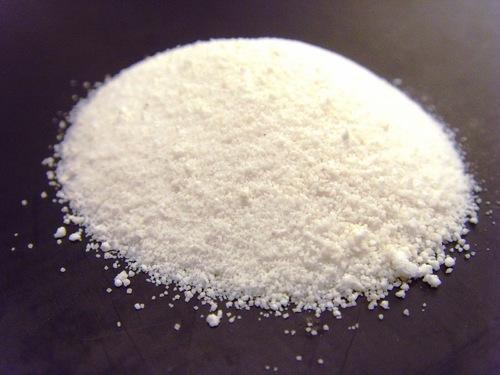
- Potassium nitrate
Water soluble crystalline salt that acts as a strong oxidiser
Notes:
Most indications have been taken from A+ Hospital with some additional information from Butler (2009).
----------------------------------------
Most important use historically is its role in the creation of gunpowder by mixing with sulphur and carbon. It is thought to have first been discovered by Wei Boyang in 142 AD but was not fully described until Ge Hong in 300 AD (Carr, 2017).
Its ability to act as an accelerant made it take on important symbolic qualities for European alchemy where it was more likely to be the Salt of the "Three Primes" of Paracelsus than regular table salt.
Potassium Nitrate is still used today as plant fertiliser, for curing certain meats, in toothpastes, medicines and other uses.
It can also be reacted with sulphuric acid to form nitric acid (NileRed, 2016a), called Aqua Fortis by ancient alchemists. This then reacts with mercury to form mercury nitrate (NileRed, 2016b) which was used by hatters for felting and led to their reputation for eccentricity.
Appears in 2 formulae listed on this site: (click to display)
Research Links & References: (click to display)
Research Links:
Reference Notes:
Individual herb information has sourced mainly from TCM Wiki and American Dragon for basic data and then updated manually with my own notes. Zhou, Xie and Yan (2011): Encyclopedia of Traditional Chinese Medicines, Vol. 5, and A+ Medical Encyclopaedia have been used for entries not available from those sources with additional material searched for and filled in where available. Western herbs not appearing in the Chinese literature have used Ross (2010): Combining Western Herbs and Chinese Medicine: A Clinical Materia Medica, White Rabbit Institute of Healing and therapeutika.ch. Choices of which source to use or combine have been my own.
These pages are intended to assist clinicians and are not intended for self-diagnosis or treatment for which a qualified professional should be consulted. Actions and indications are taken from traditional uses and do not necessarily reflect the evidence base which should be researched independently. Dosages are for guidance only and will vary dependening on the potency of the batch and the tolerance of the individual so should be evaluated by a professional based on individual needs.