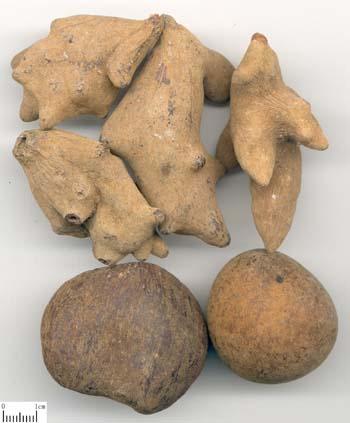
Properties: Sour, pungent, cold
Meridans Entered:
Primary: Lung , Large Intestine and Kidney
Traditional Actions/Indications:
- Astringes Lung Qi and stops cough
Chronic cough due to Lung Qi Deficiency
- Astringes the Intestines and stops diarrhea
Chronic diarrhea, dysenteric disorders, chronic hemafecia and rectal prolapse
- Astringes sweat, astringes the Kidneys and stops bleeding
Nocturnal emissions, spermatorrhea, excessive sweating and bleeding
- Descends Fire (relieves Fire toxicity), absorbs moisture (clears Dampness) and reduces swellings
Topically as a powder or wash for sores, dermatosis, toxic swellings and Damp, ulcerated skin
Scar tissue
- Cools Deficiency Fire
Lung Yin Deficiency and Deficiency Fire with chronic cough with Blood or Blood-streaked sputum
- Stops bleeding
Various bleeding disorders such as uterine bleeding, hematochezia, bleeding gums, hematuria, and epistaxis
Suggested Daily Dosage: 3-9g in decoction.
Cautions: Use with caution for diarrhea or dysentery of damp-heat type.
Due to the gallnuts being created by aphids infesting the bark of Rhus chinensis, the Chinese sumac tree, this is considered an animal product and so prohibited under the Medicines Act 1968 ch. 67. The sour astringent qualities of Wu Wei Zi and similarity shape, texture and function of Rou Dou Kou make this combination the best substitute from the Chinese pharmacopoeia. Regular Sumac from the Middle East is also sour and contains high levels of tannins so might make a suitable substitute.
Appears in 1 formulae listed on this site: (click to display)
Research Links & References: (click to display)
Research Links:
Reference Notes:
Individual herb information has sourced mainly from TCM Wiki and American Dragon for basic data and then updated manually with my own notes. Zhou, Xie and Yan (2011): Encyclopedia of Traditional Chinese Medicines, Vol. 5, and A+ Medical Encyclopaedia have been used for entries not available from those sources with additional material searched for and filled in where available. Western herbs not appearing in the Chinese literature have used Ross (2010): Combining Western Herbs and Chinese Medicine: A Clinical Materia Medica, White Rabbit Institute of Healing and therapeutika.ch. Choices of which source to use or combine have been my own.
These pages are intended to assist clinicians and are not intended for self-diagnosis or treatment for which a qualified professional should be consulted. Actions and indications are taken from traditional uses and do not necessarily reflect the evidence base which should be researched independently. Dosages are for guidance only and will vary dependening on the potency of the batch and the tolerance of the individual so should be evaluated by a professional based on individual needs.