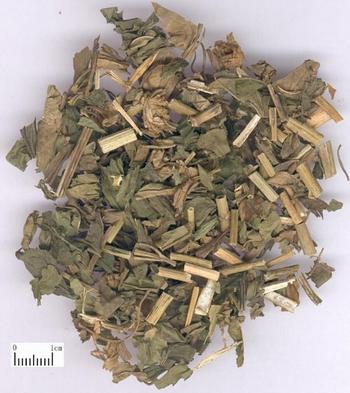
Properties: Pungent, neutral
Meridans Entered:
Primary: Spleen, Stomach and Lung
Traditional Actions/Indications:
- Aromatically transforms Dampness, awakens the Spleen and regulates the Middle
Dampness Obstructing the Middle Jiao Stifling sensation in the chest, lack of appetite, nausea and a white, moist tongue coat
Damp-Heat in the Spleen channel with a sweet, sticky taste in the mouth, excessive saliva and bad breath
- Transforms Dampness and releases Summerheat
Summerheat with Dampness with nausea and early-stage Warm-Damp febrile disease
- Kills Gu Toxins
Chronic patterns of abdominal disease that are unresponsive to most medicines
- Aromatically dispels Middle Jiao turbid filth to unbind the Stomach Harmonizes the Middle
Internal accumulation of increasingly thickened dampness in the Middle Jiao binding Stomach Qi (lethargy, nausea, anorexia, epigastric and abdominal distention and pain with a very thick, greasy tongue coat
- Aids longevity
Mentioned in the Shen Nong Ben Cao Jing as part of the superior class of herbs which can, with protracted taking, boost the Qi, make the body light, slow ageing and enable one to communicate with the Spirit Light (Shen Ming 神明). This may suggest it was part of supplementing the diet when engaging in life cultivation practices (Yangsheng 養生).
Suggested Daily Dosage: 5-10g in decoction.
Cautions: This herb can no longer be used internally due to containing pyrrolizidine alkaloids. It is probably best substituted with Huo Xiang or Xiang Ru.
Appears in 4 formulae listed on this site: (click to display)
Research Links & References: (click to display)
Research Links:
Reference Notes:
Individual herb information has sourced mainly from TCM Wiki and American Dragon for basic data and then updated manually with my own notes. Zhou, Xie and Yan (2011): Encyclopedia of Traditional Chinese Medicines, Vol. 5, and A+ Medical Encyclopaedia have been used for entries not available from those sources with additional material searched for and filled in where available. Western herbs not appearing in the Chinese literature have used Ross (2010): Combining Western Herbs and Chinese Medicine: A Clinical Materia Medica, White Rabbit Institute of Healing and therapeutika.ch. Choices of which source to use or combine have been my own.
These pages are intended to assist clinicians and are not intended for self-diagnosis or treatment for which a qualified professional should be consulted. Actions and indications are taken from traditional uses and do not necessarily reflect the evidence base which should be researched independently. Dosages are for guidance only and will vary dependening on the potency of the batch and the tolerance of the individual so should be evaluated by a professional based on individual needs.