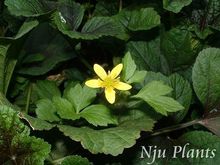
Properties: Pungent, slightly bitter, warm. Toxic
Meridans Entered:
Primary: Stomach, Heart, Gallbladder, Liver
Traditional Actions/Indications:
- Clears Jaundice and calms wheezing
Jaundice (crush and apply to Dazhui Du-14 6 hours before the onset of the disease)
Asthma
- Stops malaria (Nue)
Malaria (crush and apply externally to the area under the deltoid muscle of the arm; Discard when a burning sensation is felt locally; If blisters appear, cover with sterile gauze)
- Alleviates pain
Migraine
Stomachache (crush and apply to acupoints such as Weishu Bl-21 and Weishu Bl-21Shenshu Bl-23; Discard when a burning sensation is felt locally).
toothache
Bi Syndrome, Crane's Knee Wind
- Removes obstructions from the eyes
Swollen welling abscess, malign sores, scab and lichen
Superficial visual obstruction (crush and apply to the pulse point on the opposite wrist, until blisters appear; Then puncture the blisters and apply anti-inflammatory medication to prevent infection)
Fire eye
Suggested Daily Dosage: Crushed and applied externally, usually to acupoints related to the disease and removed once blistering occurs.
Cautions: Toxic and generally not for internal use. It is contraindicated on broken skin or for those with allergies. Pregnant women should use with caution.
Notable Constituents:
- Ranunculin
Unstable glycoside that turns into protoanemonin when crushed or chewed, becoming a powerful irritant that can cause cause severe blistering of the mouth and throat, intense abdominal pain, and digestive distress. Drying can reduce this for livestock in hay, but there is no verified or safe method to prepare buttercups for human ingestion.
Does not appear in any formulae listed on this site
Research Links & References: (click to display)
Research Links:
Reference Notes:
Individual herb information has sourced mainly from TCM Wiki and American Dragon for basic data and then updated manually with my own notes. Zhou, Xie and Yan (2011): Encyclopedia of Traditional Chinese Medicines, Vol. 5, and A+ Medical Encyclopaedia have been used for entries not available from those sources with additional material searched for and filled in where available. Western herbs not appearing in the Chinese literature have used Ross (2010): Combining Western Herbs and Chinese Medicine: A Clinical Materia Medica, White Rabbit Institute of Healing and therapeutika.ch. Choices of which source to use or combine have been my own.
These pages are intended to assist clinicians and are not intended for self-diagnosis or treatment for which a qualified professional should be consulted. Actions and indications are taken from traditional uses and do not necessarily reflect the evidence base which should be researched independently. Dosages are for guidance only and will vary dependening on the potency of the batch and the tolerance of the individual so should be evaluated by a professional based on individual needs.