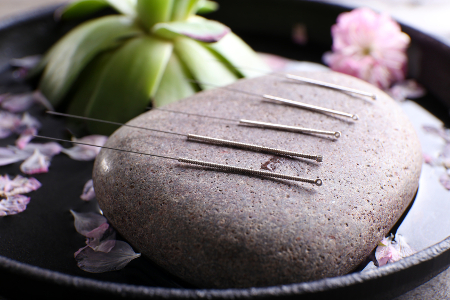
Acupuncture (针刺术: the art of needle pricking) has occurred in some form in almost every human civilisation around the world, but nowhere reached the level of refinement found in China. By stimulating the nervous system with very fine needles while minimising tissue damage and bleeding, Chinese physicians developed a remarkably sophisticated therapeutic system thousands of years before modern neuroscience began to explain some of its effects.
Research has shown that acupuncture can:
Yet these physiological effects are only part of the story. Traditional acupuncture is not simply about inserting needles where something hurts. It is a way of influencing the body's capacity to adapt before dysfunction becomes firmly established.
One of the earliest medical texts, the The Yellow Emperor's Inner Classic (Simple Questions, Chapter 2), teaches that the highest level of medicine is to treat illness before it fully develops. Rather than waiting until symptoms become severe, the practitioner looks for subtle changes in function that indicate the body is struggling to maintain balance. This is one way to understand the traditional concept of qi: not as a mysterious force, but as the body's potential for change—the dynamic processes that have not yet become fixed into physical disease. By recognising and addressing these early patterns, it is often possible to prevent small problems becoming larger ones.
This principle aligns surprisingly well with modern bioenergetics. Our long-term health depends on the ability of our cells—and particularly their mitochondria—to continually adapt to the demands placed upon them. Two of the most powerful influences on mitochondrial function are regular physical activity and restorative sleep. When pain, stress, fatigue or poor recovery make movement difficult or sleep unrefreshing, this adaptive capacity begins to decline.
Acupuncture can help remove many of these obstacles. By easing pain, calming an overactive stress response and encouraging deeper relaxation, it can make exercise more achievable, improve recovery afterwards and support healthier sleep. In this way, acupuncture is not simply a treatment for symptoms but a practical tool for helping the body regain the conditions it needs to repair, adapt and remain resilient.
Acupuncture is also a powerful facilitator of other traditional therapies, including:
In both cases, the aim is not simply to provide temporary relief, but to enable physical practice, mental training and lifestyle changes that create lasting improvements in health.
Treatment may also incorporate moxibustion (heat therapy), electrical stimulation and other techniques and other traditional techniques where appropriate.
Woodley Bioenergetics
90 Deane Croft Road,
Eascote, Pinner, Greater London. HA5 1SP
Tel/WhatsApp: +44 (0) 7946 174 829
Email: steve@steve-woodley.co.uk